
Walk into any major bank branch in Kuala Lumpur during peak hours, and you will quickly understand why customer experience has become the most critical battleground for financial institutions. Long queues snaking past the teller counters, frustrated customers checking their watches, and tellers overwhelmed by the sheer volume of walk-in transactions — this is the daily reality for thousands of Malaysian bank branches.
The numbers tell a sobering story. Industry reports indicate that Malaysian bank customers spend an average of 20 to 35 minutes waiting in branch queues each visit. For a nation where digital banking adoption is rapidly accelerating, this physical friction is no longer acceptable. Customers who once tolerated long waits now expect the same speed and convenience they experience with online services. When a bank branch fails to deliver, the customer experience suffers, and worse, the customer leaves — often permanently.
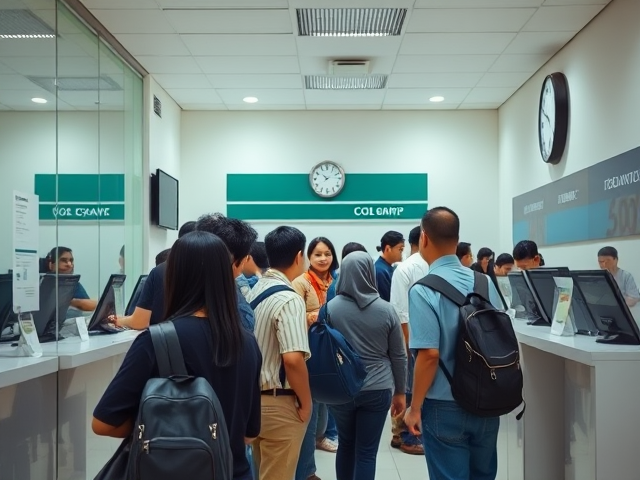
In Malaysia's highly competitive banking sector, where digital-first banks like Razer Finance and GXBank are reshaping customer expectations, traditional banks cannot afford to let branch waiting times drag down their reputation. Long queues do more than annoy customers — they directly impact revenue, staff morale, and brand loyalty.
When customers experience poor customer experience at the branch, they are significantly less likely to cross-sell or upsell opportunities. A frustrated customer who spends 30 minutes waiting for a simple loan inquiry is unlikely to engage with wealth management services or open additional accounts. The financial impact of long queues extends far beyond inconvenience — it translates directly into lost revenue and diminished competitive positioning.
Not all queue management systems are built equally. Malaysian banks must choose a solution that aligns with their operational model, branch layout, and customer demographics.
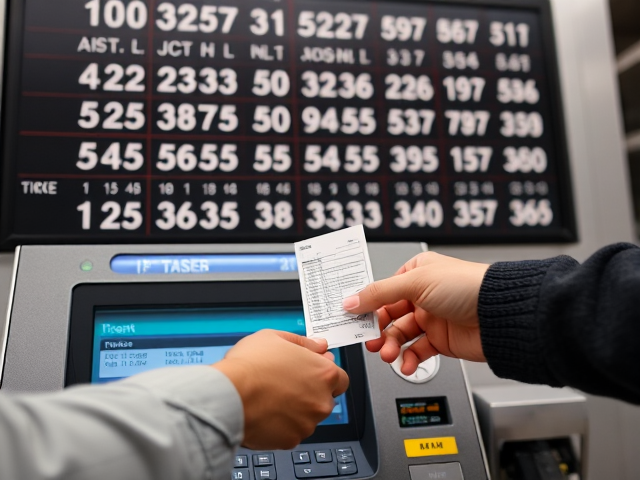
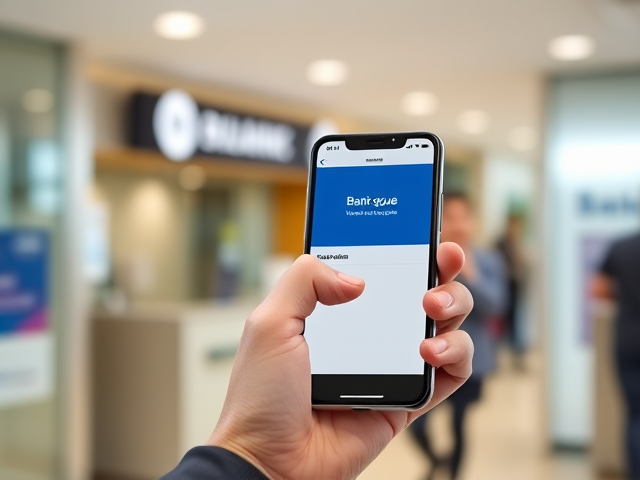
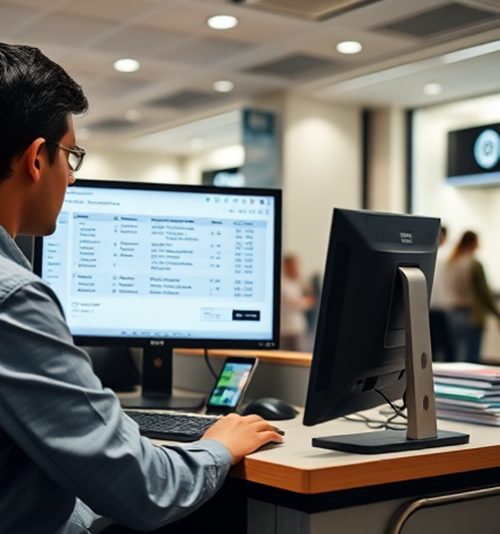
The most immediate and measurable impact of implementing a smart queue system is the reduction of branch waiting times. Malaysian banks that have deployed QueueBee's smart queue system report an average wait time reduction of 60 to 75 percent. This is not a marginal improvement — it is a transformation of the branch experience.
When a smart queue system is in place, customers no longer endure the anxiety of standing in a physical line for an unpredictable duration. Instead, they join a virtual queue from their phone, receive live updates, and arrive at the branch just in time for their appointment. The result is a seamless, frictionless customer experience that positions the bank as modern, efficient, and customer-centric.
For bank management, this translates into higher branch throughput, shorter queues, and the ability to serve more customers per day without adding staff or expanding physical space. The smart queue system becomes the backbone of operational excellence.
Transparency is the foundation of trust. When customers know exactly where they stand in the queue and how long their wait will be, the psychological burden of uncertainty disappears. A smart queue system provides real-time visibility through multiple channels — mobile apps, SMS notifications, WhatsApp updates, and in-branch digital displays.
This real-time communication delivers three critical advantages for Malaysian banks:
A smart queue system transforms the waiting experience from a passive, frustrating ordeal into an informed, controlled interaction. This shift is fundamental to elevating the customer experience in Malaysian banking.
One of the most underappreciated challenges in Malaysian bank branches is uneven staff workload. During peak hours, some counters are overwhelmed while others sit idle. A smart queue system with intelligent routing ensures that customer flow is distributed evenly across available staff and service points, eliminating bottlenecks before they form.
When staff workload is balanced and queues are routed intelligently, branch operations run smoothly. Customers experience shorter waits, staff experience less stress, and the bank delivers a consistently excellent customer experience.
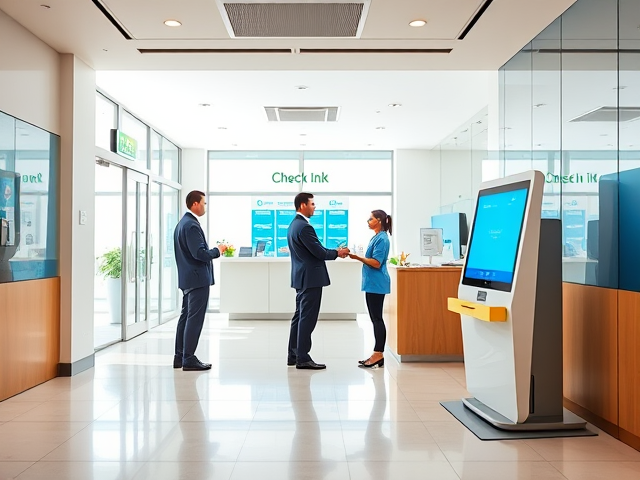
Reducing branch waiting times is only one piece of the puzzle. The best QMS for banks in Malaysia does far more than manage queues — it transforms the entire customer experience from the moment a customer decides to visit the branch to the moment they leave.
The best QMS for banks in Malaysia does not merely manage lines — it redefines the branch experience. By combining queue management system technology with intelligent automation, banks can deliver a customer experience that rivals digital banking channels while maintaining the personal touch that physical branches provide.

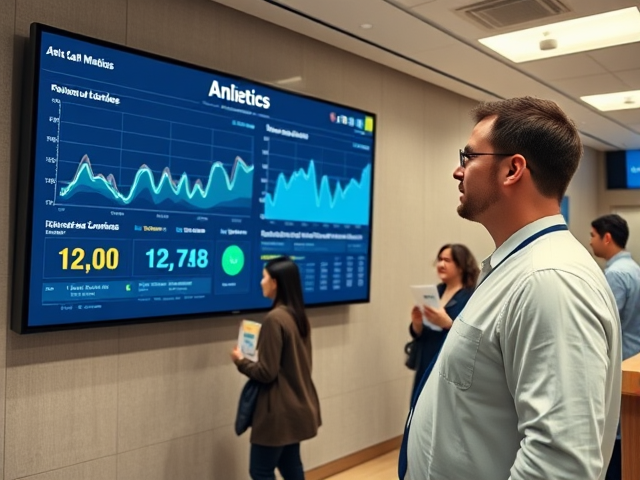
A smart queue system is not just a queue management tool — it is a powerful data engine. Every queue interaction generates valuable insights into customer behaviour, peak traffic patterns, service duration, and staff performance. For Malaysian bank executives, this data is invaluable.
With real-time dashboards and historical analytics, branch managers can identify bottlenecks, optimise staffing schedules, and make evidence-based decisions about branch operations. For example, if data reveals that loan inquiries consistently peak between 10 AM and 12 PM on Tuesdays, management can allocate additional staff during that window, preventing queue buildup before it happens.
Furthermore, the queue management system data can inform strategic decisions about branch network optimisation, service product placement, and even marketing campaigns. Banks that leverage this data gain a competitive edge in understanding their customers and delivering targeted, efficient service.
Long queues are expensive. Every minute a customer spends waiting is a minute of lost productivity, a missed cross-sell opportunity, and a potential customer churn risk. For a Malaysian bank with hundreds of branches, the cumulative cost of inefficient queue management is staggering.
A smart queue system delivers measurable cost savings across multiple dimensions:
The financial case for implementing the best QMS for banks in Malaysia is clear. A smart queue system pays for itself through reduced operational costs, improved customer retention, and increased branch productivity.
Malaysia's banking landscape is evolving rapidly. Digital banks, fintech disruptors, and changing customer expectations are forcing traditional banks to innovate or risk obsolescence. The best QMS for banks in Malaysia is not a static solution — it is a scalable, future-ready platform that grows with the bank's needs.
By adopting a smart queue system today, Malaysian banks are not just solving today's branch waiting time problems — they are building the operational foundation for tomorrow's customer-centric banking experience.
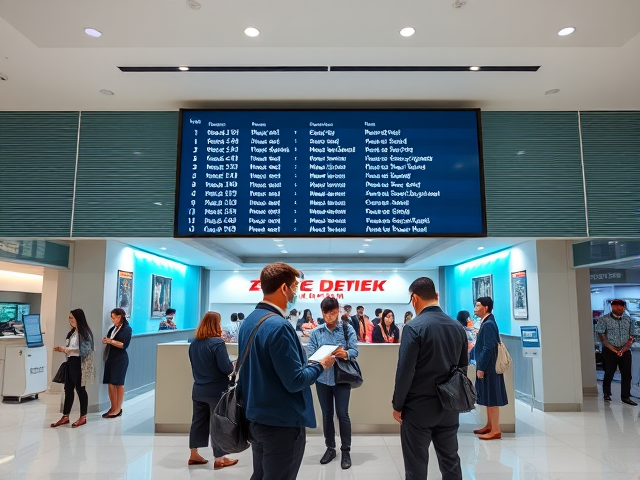
Ready to reduce branch waiting times and deliver an exceptional customer experience across your Malaysian bank branches? QueueBee's smart queue system is the best QMS for banks in Malaysia — combining virtual queuing, intelligent routing, real-time analytics, and seamless integration to transform your branch operations.
Contact us today for a personalised demo and see how QueueBee can revolutionise your bank's customer experience.