
Malaysia's business landscape in 2026 is more competitive than ever. From healthcare clinics and government service centres to retail outlets and banking institutions, customers expect seamless, efficient service every time they visit. Yet, many businesses still rely on outdated, manual queuing methods that result in long wait times, frustrated customers, and lost revenue.
This is where a modern queue management system becomes essential. By digitising the queuing process, businesses can eliminate physical lines, provide real-time updates to customers, and create a smoother customer journey from start to finish. In a market where convenience is king, adopting the right queue system is no longer optional — it's a business imperative.
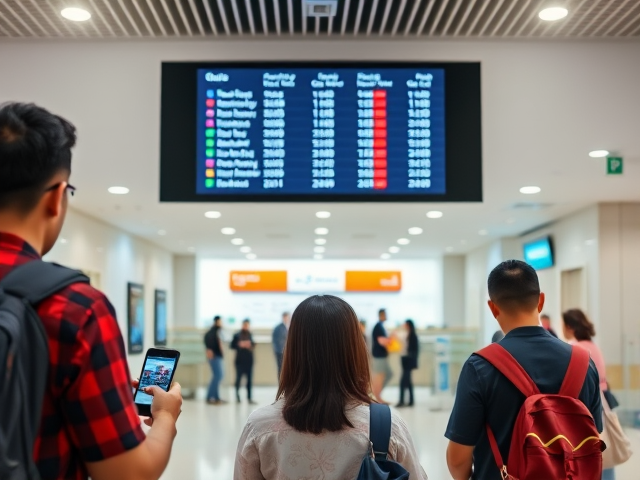
Malaysia's digital transformation agenda has accelerated across all sectors, and customer expectations have risen accordingly. In 2026, Malaysian consumers no longer tolerate inefficient service delivery. Whether it's a government agency, a hospital, a bank, or a retail store, people expect to spend less time waiting and more time being served.
A smart queue system addresses this demand by digitising the entire queuing experience. Customers can join a queue remotely via WhatsApp, SMS, or a web portal, receive real-time updates on their position, and arrive at the service point exactly when their turn is near. This not only reduces physical congestion but also enhances the overall customer experience — a critical differentiator in today's market.
Choosing the right queue management system depends on your business model and customer base. Here are the three primary types available in Malaysia:
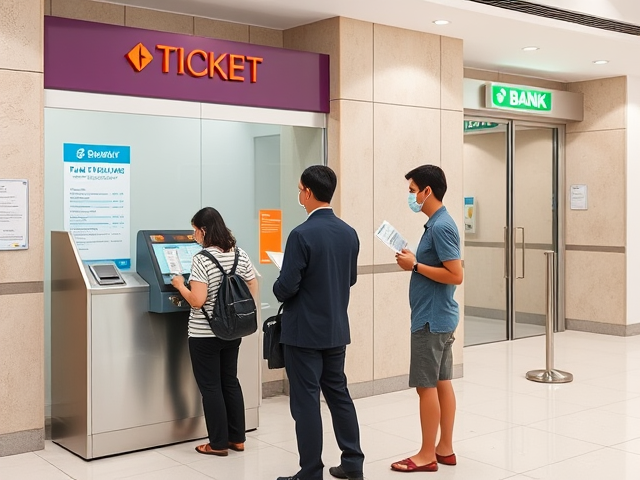

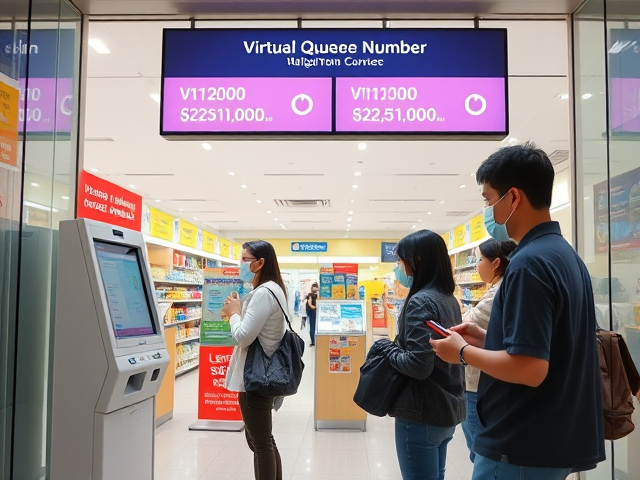
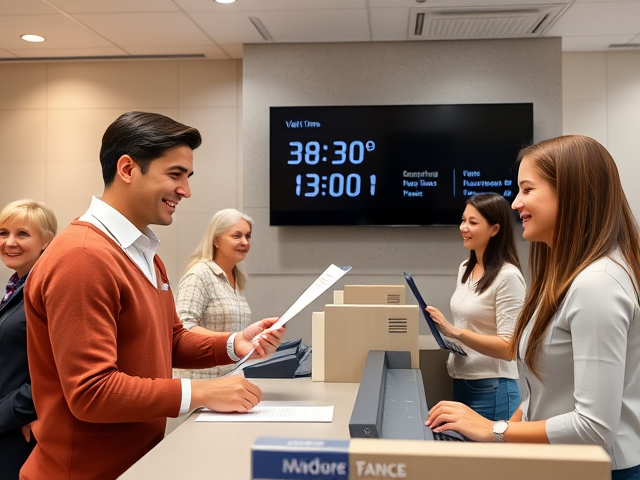
In Malaysia, the average customer is willing to wait only 5 to 10 minutes before becoming dissatisfied. Beyond this threshold, frustration sets in, and many customers simply walk away — taking their business (and their spending) to a competitor.
A smart queue system like QueueBee eliminates this problem by allowing customers to join a queue remotely and receive real-time notifications when their turn is approaching. This means no more standing in physical lines, no more uncertainty about wait times, and no more lost revenue from walk-away customers.
For Malaysian businesses, reducing wait times is not just about convenience — it's about competitiveness. In 2026, the businesses that offer the shortest, most transparent wait times will win customer loyalty and drive growth.
The customer journey begins the moment a customer decides to visit your business. If the first interaction involves a long, uncertain wait, the entire experience is tainted from the start. A modern queue management system ensures that every touchpoint in the journey is smooth, transparent, and respectful of the customer's time.
Here's how a smart queue system elevates the customer experience in Malaysia:
By integrating a queue management system into your business operations, you transform the customer journey from a frustrating ordeal into a seamless, professional experience that builds trust and loyalty.
Long queues don't just frustrate customers — they overwhelm staff. In Malaysia, many businesses struggle with staff burnout caused by constant customer complaints about wait times. A smart queue system alleviates this pressure by distributing customer flow more evenly and giving staff the data they need to manage peak periods effectively.
For Malaysian businesses, a queue management system is not just a customer-facing tool — it's an operational powerhouse that empowers staff, reduces stress, and drives efficiency across the entire organisation.

In Malaysia, walk-away customers represent a significant revenue leak. Studies show that businesses lose an average of 15-30% of potential sales due to long queues and poor customer experience. Every customer who leaves without being served is a missed opportunity — and in a competitive market, those opportunities often go to rivals.
By implementing a queue management system, Malaysian businesses can stop losing revenue to walk-away customers and start capturing every opportunity to serve and satisfy.

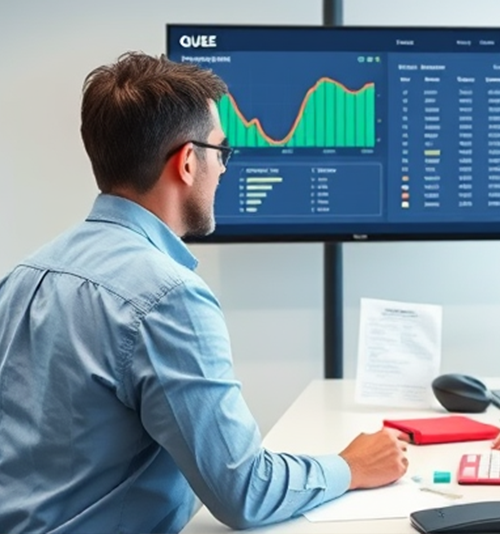
In 2026, data is the new currency of business strategy. A smart queue system like QueueBee provides Malaysian businesses with rich, actionable data about customer behaviour, peak service times, average wait durations, and staff performance.
This data enables businesses to:
• Optimise staffing schedules based on real demand patterns
• Identify bottlenecks in the customer journey and address them proactively
• Launch targeted promotions during off-peak hours to balance foot traffic
• Measure the impact of service improvements over time
For Malaysian businesses looking to stay ahead of the competition, a queue management system that delivers data-driven insights is not just a tool — it's a strategic advantage.
Malaysia's diverse economy means that queue management needs vary significantly across industries. QueueBee's queue management system is designed to adapt to the unique requirements of each sector:
Whether you operate in healthcare, banking, retail, hospitality, or government services, QueueBee's queue system can be customised to meet your specific operational needs and deliver measurable improvements.
With numerous queue management system providers available, why is QueueBee the top choice for Malaysian businesses in 2026? Here's what sets QueueBee apart:
In 2026, choosing the right queue management system is one of the most impactful decisions a Malaysian business can make. QueueBee combines cutting-edge technology, local expertise, and proven results to deliver the best queuing solution available in Malaysia today.
Join hundreds of Malaysian businesses that have already upgraded to QueueBee's queue management system. Reduce wait times, improve your customer experience, and gain a competitive edge in 2026. Contact us today for a free demo and discover why QueueBee is the best queue system in Malaysia.