
Walking into a busy bank branch in Kuala Lumpur or a crowded government service centre in Penang, you are greeted by a sea of people holding numbered tickets. The long physical queues, the anxious faces, the endless waiting — it is a familiar scene across Malaysia. For businesses, these extended wait times are more than just an inconvenience; they are a silent revenue killer and a major threat to customer loyalty.
Research shows that the average Malaysian customer is willing to wait no more than 7 to 10 minutes before feeling frustrated. Beyond that threshold, dissatisfaction sets in rapidly. Long queues lead to walk-aways, negative reviews, and lost repeat business. In a competitive market where customers have countless alternatives, the ability to manage waiting time effectively has become a critical differentiator between thriving businesses and those struggling to retain customers.
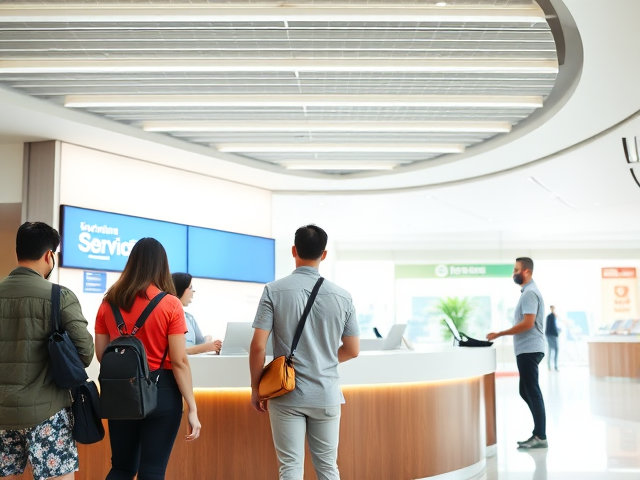
In Malaysia's fast-paced economy, time is one of the most valuable resources customers have. Whether it is a retail shopper at Mid Valley Megamall, a patient at a private clinic in Johor Bahru, or a visitor at a government counter in Putrajaya, nobody enjoys wasting hours standing in line. The impact of long wait times extends far beyond momentary frustration.
Extended queues directly affect customer experience, employee morale, and overall business performance. When customers feel their time is disrespected, they take their business elsewhere. For Malaysian businesses aiming to grow and compete, implementing a reliable queue management system is no longer optional — it is essential for survival and success.
Types of Queue Management Solutions
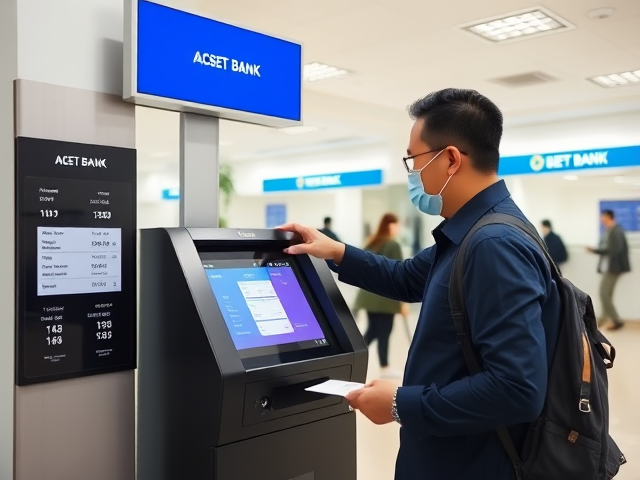

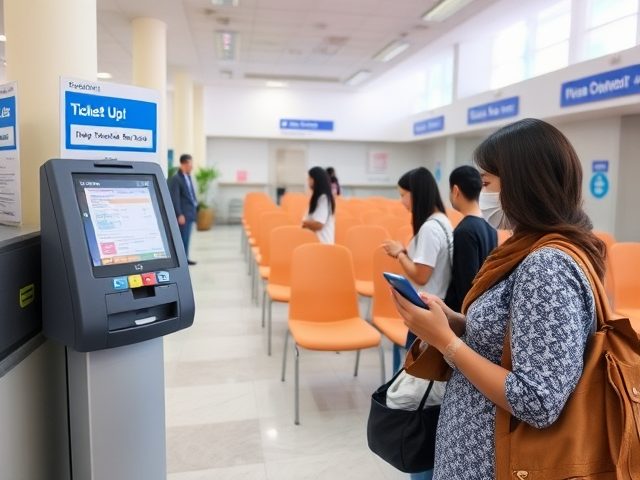
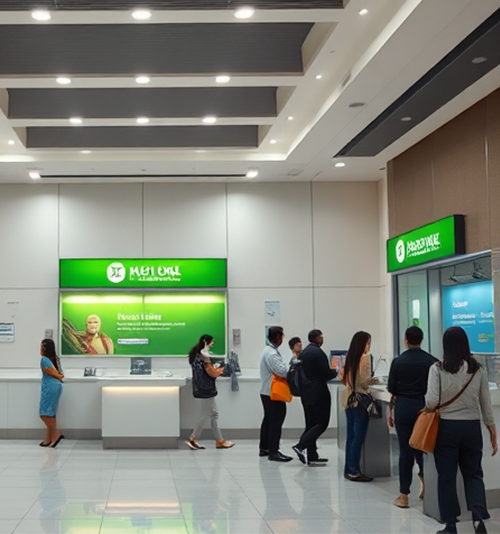
The most direct way a queue management system reduces waiting time is by organising customer flow. Without a structured system, customers naturally cluster around service counters, creating bottlenecks and uneven workloads. A queue management system distributes customers evenly, ensuring that staff are utilised efficiently and no service point is overwhelmed while others remain idle.
Studies indicate that the average acceptable wait time before dissatisfaction begins is approximately 6 minutes. When a queue management system is in place, businesses can keep wait times well within this threshold. Virtual queuing takes this further by allowing customers to wait off-site, effectively eliminating perceived wait time and dramatically improving the overall customer experience.
For Malaysian businesses, this means fewer walk-aways, shorter physical queues, and happier customers who feel their time is respected. A well-implemented queue system transforms chaotic waiting areas into orderly, manageable environments where service delivery is smooth and predictable.
Uncertainty is one of the biggest drivers of customer frustration during a wait. When customers do not know their position in the queue or how long they will have to wait, anxiety builds rapidly. A queue management system solves this by providing real-time communication that keeps customers informed at every stage of their journey.
Through SMS notifications, WhatsApp updates, mobile app alerts, and digital display screens, customers receive continuous updates about their queue status. This transparency delivers measurable benefits:
By integrating seamless communication into the queuing process, businesses create a customer experience that feels modern, respectful, and efficient. This is especially important in Malaysia, where customers increasingly expect digital-first interactions and instant updates.
Effective queue management is not just about counting tickets; it is about optimising the entire service delivery process. A modern queue management system provides tools that help businesses balance workloads, prioritise urgent cases, and allocate staff where they are needed most.
These capabilities transform queue management from a reactive process into a proactive strategy. Malaysian businesses that adopt these practices see measurable improvements in service speed, customer satisfaction, and operational efficiency.

In Malaysia's service-driven economy, customer experience is the primary factor that determines whether a business thrives or fades. A queue management system plays a pivotal role in shaping the customer journey from the very first interaction.
A queue management system is not merely an operational tool; it is a customer experience engine. By reducing waiting time and improving every touchpoint of the customer journey, businesses in Malaysia can build stronger relationships, increase retention, and stand out in a competitive market.

Long queues do not only frustrate customers; they also take a heavy toll on staff. Employees working in high-pressure environments with constant complaints about wait times experience burnout, reduced morale, and higher turnover rates. This creates a vicious cycle where understaffing leads to longer queues, which leads to more complaints, and so on.
A queue management system breaks this cycle. By automating queue distribution and providing clear visibility into customer flow, staff can focus on delivering quality service rather than managing chaos. They know exactly who is next, how long the wait is, and where to direct their energy.
When staff feel supported by an efficient system, their productivity increases significantly. They handle more customers per hour, make fewer errors, and deliver a more personalised experience. This improved staff performance directly translates into shorter wait times and higher customer satisfaction across the board.
Every customer who walks away from a long queue represents lost revenue. In Malaysia, where foot traffic in retail, healthcare, banking, and government sectors is consistently high, even a small percentage of walk-aways can translate into significant financial losses. A queue management system directly protects revenue by keeping customers engaged and served.
Virtual queuing is particularly powerful in this regard. Customers who join a queue remotely are far less likely to abandon their visit. They can wait from the comfort of their car, nearby café, or even from home. This flexibility ensures that more customers complete their transactions, directly boosting business revenue.
The financial impact of a queue management system is substantial. By reducing wait times, minimising walk-aways, and increasing service throughput, Malaysian businesses can see a measurable improvement in daily revenue and long-term profitability.
A modern queue management system does more than manage lines; it captures valuable data across the entire customer journey. This data provides actionable insights that help Malaysian businesses optimise operations, reduce wait times further, and make smarter strategic decisions.

QueueBee's queue management system is designed specifically to address the unique challenges faced by Malaysian businesses. From retail stores and healthcare clinics to government agencies and financial institutions, QueueBee provides a comprehensive solution that reduces waiting time, improves customer experience, and streamlines operations.
With features such as virtual queuing, real-time SMS and WhatsApp notifications, priority queue management, and advanced analytics, QueueBee empowers businesses to take full control of their customer flow. The system is easy to deploy, scalable across multiple locations, and integrates seamlessly with existing business infrastructure.
By implementing a queue management system like QueueBee, Malaysian businesses can transform their customer journey, reduce operational inefficiencies, and build a reputation for excellent service. The result is not just shorter queues — it is a fundamental improvement in how customers perceive and interact with the brand.
Long queues are costing Malaysian businesses revenue, customer loyalty, and reputation. A queue management system is the solution that stops the bleed and turns waiting time into a competitive advantage. Discover how QueueBee's queue management system can help your business reduce waiting time, improve customer experience, and drive growth.
Contact us today for a personalised solution