
Walk into any busy bank, government office, or retail store in Malaysia, and you will likely encounter the same scene: a long, snaking manual waiting line with customers standing shoulder to shoulder, some checking their watches, others sighing in frustration. This is the reality of traditional queue management that countless businesses still rely on today. While manual waiting lines have been the norm for decades, the modern customer expects speed, convenience, and respect for their time.
The problem is not just the physical line itself, but the inefficiency it creates. Without a proper queue management system, businesses lose track of who came first, struggle with overcrowding, and watch customers walk away before they are even served. A manual waiting line offers no real-time updates, no way to manage peak hours, and no data to help improve operations. In contrast, a queue management system transforms this chaotic experience into a smooth, predictable, and customer-friendly process.
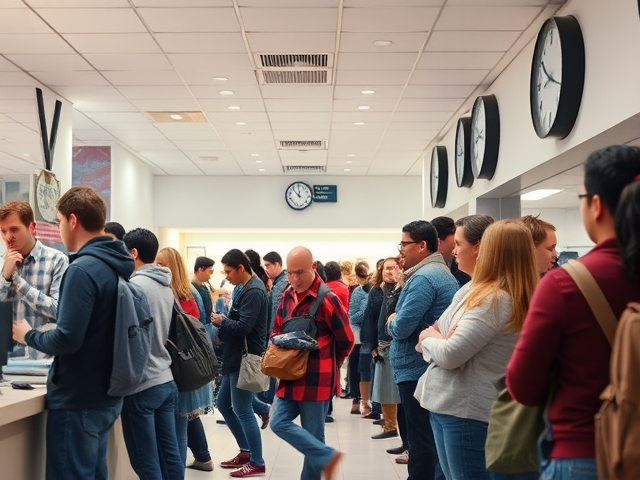
Manual waiting lines may seem harmless, but they carry hidden costs that directly impact your bottom line. When customers stand in a physical queue without any system, they have no idea how long the wait will be. This uncertainty breeds anxiety, frustration, and ultimately, walk-aways. In Malaysia's competitive service landscape, where customers have countless alternatives, losing even a few people to long lines can mean losing significant revenue.
Moreover, manual queues create operational chaos. Staff members are constantly pulled away to manage the line, answer "how much longer" questions, and handle complaints. There is no structure, no prioritization, and no way to measure performance. A queue management system eliminates these problems by introducing order, transparency, and data-driven control over every aspect of customer flow.
Types of Queue Management Systems Available
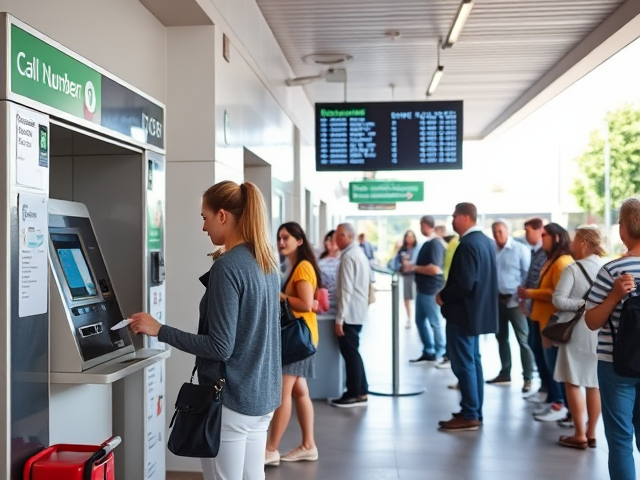
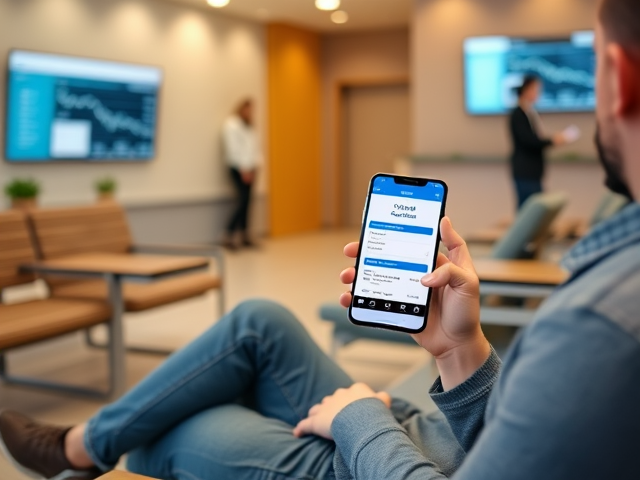
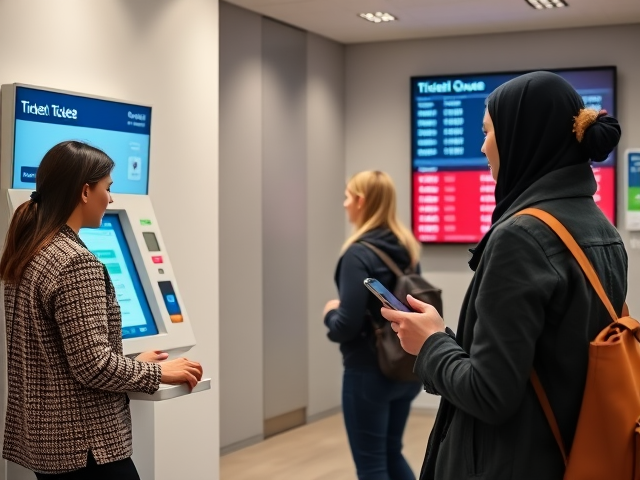
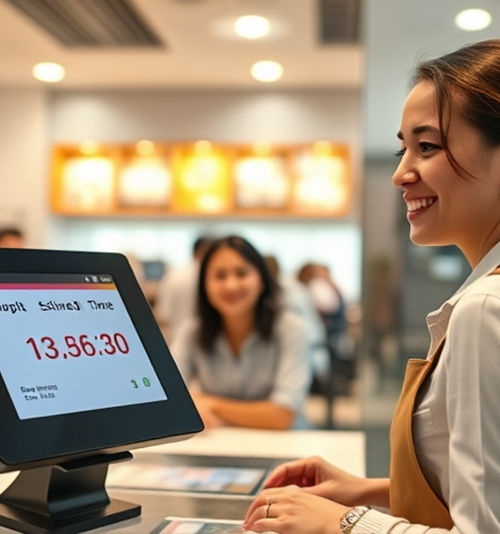
One of the most immediate and visible benefits of a queue management system is the dramatic reduction in wait times. Manual waiting lines are inherently inefficient because they rely on human judgment, lack real-time tracking, and cannot adapt to sudden changes in customer flow. A queue management system, on the other hand, uses intelligent algorithms to balance service load, prioritize urgent cases, and keep every customer moving through the process smoothly.
Studies show that customers begin to feel frustrated after just five to ten minutes of waiting. When a manual queue stretches beyond that threshold, dissatisfaction spikes rapidly. A queue management system keeps wait times within acceptable limits by optimizing staff allocation, preventing bottlenecks, and providing accurate estimated wait times to customers before they even join the line.
By replacing manual waiting lines with a structured queue management system, businesses not only cut down actual wait times but also reduce perceived wait times. Customers who receive real-time updates and know exactly when they will be served feel less anxious and more in control, turning what was once a frustrating experience into a seamless one.
One of the biggest flaws of a manual waiting line is the complete lack of communication. Customers standing in a physical queue have no idea how long they will wait, whether their turn is approaching, or if there has been any delay. This uncertainty is a major source of customer frustration and complaints.
A queue management system solves this problem by providing continuous, transparent communication throughout the entire customer journey:
When customers feel informed and respected, their overall perception of your business improves significantly. A queue management system turns communication from a weakness of manual waiting lines into a powerful tool for building trust and loyalty.
Manual waiting lines are notorious for creating overcrowded service areas. Without any system to regulate customer flow, businesses experience unpredictable surges that overwhelm staff, clutter the premises, and create an uncomfortable environment for everyone present.
Efficient crowd management is not just a logistical improvement; it is a customer experience upgrade. By replacing manual waiting lines with a structured queue management system, businesses create a calm, orderly, and professional environment that customers appreciate and remember.

Customer service is the foundation of every successful business, and the way you handle queuing directly shapes how customers perceive your brand. Manual waiting lines send a clear message that your business does not value customer time, while a queue management system demonstrates professionalism, care, and modern service standards.
Switching from manual waiting lines to a queue management system is not just an operational upgrade; it is a customer service transformation. Businesses that make this switch consistently report higher satisfaction scores, stronger customer retention, and improved word-of-mouth referrals.

Manual waiting lines place an enormous burden on staff members. Employees are constantly interrupted by frustrated customers asking about wait times, managing physical lines, and dealing with the emotional toll of customer complaints. This environment is demoralizing and unsustainable over time.
When staff are overwhelmed by the chaos of manual queues, service quality inevitably suffers. Mistakes increase, patience wears thin, and even the most dedicated team members begin to feel burnt out. The cycle of stress and dissatisfaction affects both the staff and the customers they serve.
A queue management system removes the burden of line management from your staff. With automated queue tracking, real-time dashboards, and virtual queuing options, employees can focus on what they do best: delivering excellent service. There is no more managing physical lines, no more fielding the same repetitive questions, and no more absorbing customer frustration caused by disorganization.
When staff are no longer stressed by chaotic manual waiting lines, their morale improves dramatically. They become more productive, more engaged, and more capable of providing personalized, high-quality service. This shift not only benefits the team but also elevates the overall reputation of your business.
Manual waiting lines are far more expensive than they appear. Every customer who walks away due to a long queue represents lost revenue. Every hour staff spend managing lines instead of serving customers is wasted productivity. And every negative review caused by poor queuing damages your brand's reputation and future business.
A queue management system addresses all of these hidden costs head-on:
The financial impact of replacing manual waiting lines with a queue management system can be substantial. Businesses that make this transition often see operational cost reductions of up to 90 percent, along with measurable improvements in customer retention and staff satisfaction.
One of the most powerful advantages of a queue management system over manual waiting lines is the wealth of data it generates. Manual queues provide zero visibility into customer behavior, peak hours, service times, or bottlenecks. A queue management system captures every metric and turns it into actionable intelligence.
With a queue management system, you are no longer guessing about your operations. You have real data, real insights, and the ability to continuously refine your service delivery for better outcomes.
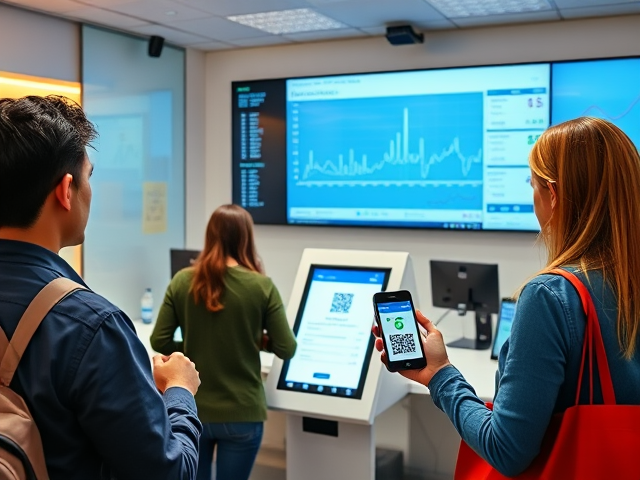
The comparison between a queue management system and manual waiting lines is clear. Manual queues are outdated, inefficient, and costly. They create frustration for customers, stress for staff, and hidden losses for businesses. A queue management system, on the other hand, delivers speed, transparency, data-driven control, and a professional customer experience that modern consumers expect.
In Malaysia's increasingly competitive service market, businesses that continue relying on manual waiting lines are falling behind. Those that adopt a queue management system gain a significant advantage in customer satisfaction, operational efficiency, and long-term growth.
Stop losing customers to long queues and operational inefficiency. QueueBee's queue management system transforms your customer service from chaotic manual waiting lines into a smooth, modern, and data-driven experience. Reduce wait times, boost staff productivity, and deliver the service excellence your customers deserve. Contact us today for a personalized demo and see the difference a queue management system can make for your business.