
A smart queue system is a modern, technology-driven solution designed to manage and streamline the way people wait for services. Unlike traditional first-come-first-served lines, a smart queue system uses digital tools such as mobile apps, SMS notifications, real-time dashboards, and automated ticketing to organise customer flow efficiently. Citizens can join a queue remotely, receive live updates on their position, and arrive at the service centre only when their turn is near.
For Malaysian public sectors, this represents a critical shift in how government services are delivered. The traditional queue system, where citizens stand in long physical lines for hours, has long been a source of frustration. A smart queue system eliminates this pain point by offering a seamless, transparent, and customer experience-focused approach to public service delivery.
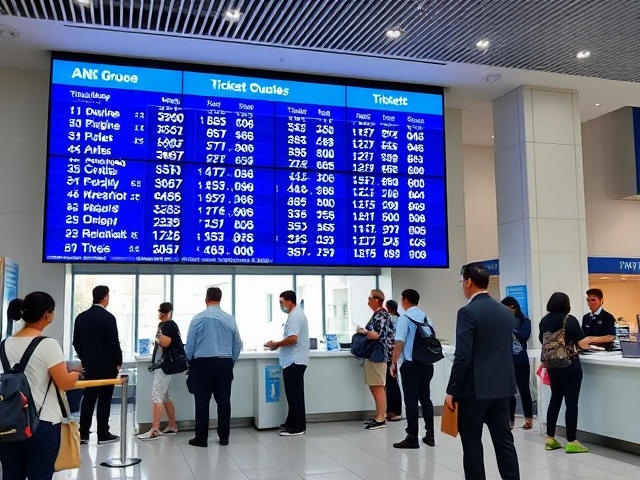
Malaysia's public sector serves millions of citizens daily across departments such as immigration, tax collection, social welfare, healthcare, and local councils. The sheer volume of foot traffic in government offices often leads to overcrowded waiting areas, long service times, and declining citizen satisfaction. A smart queue system is no longer a luxury — it is a necessity for modernising public service delivery.
When citizens experience poor customer experience at government offices, it erodes trust in public institutions. A well-implemented queue management system restores confidence by ensuring fairness, transparency, and efficiency in every interaction.
Understanding the queue system options helps public sectors choose the right fit for their operational needs.
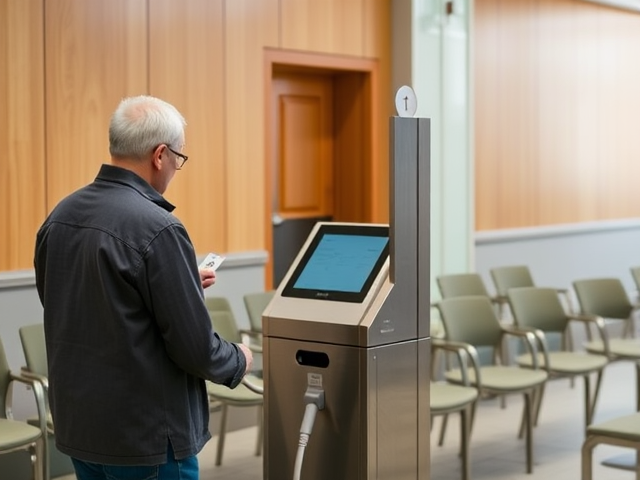
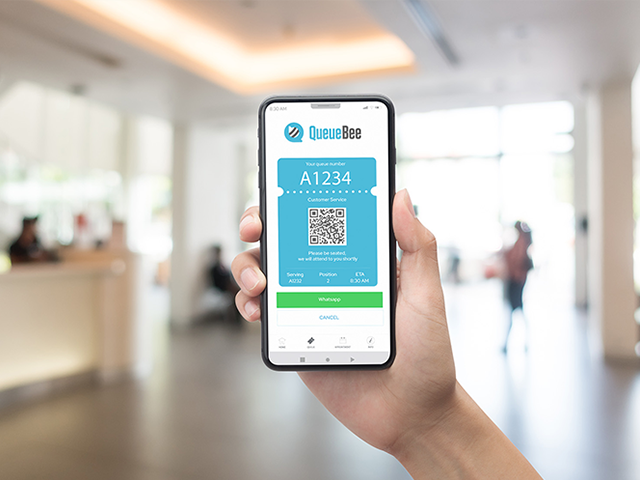
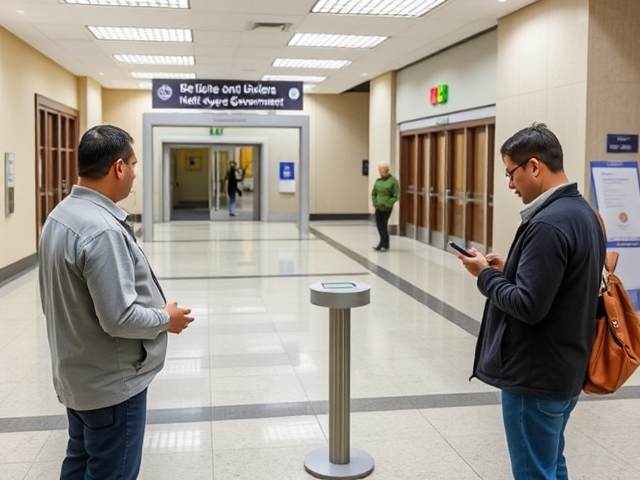
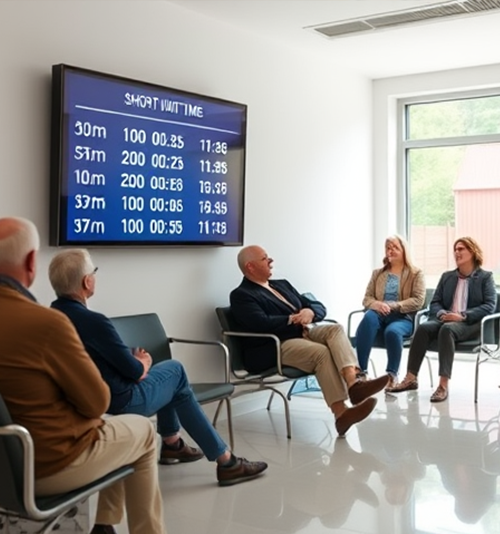
Long wait times are the most common complaint from citizens visiting Malaysian government offices. Studies show that people begin to feel frustrated after just five to ten minutes of waiting. When public sector offices routinely ask citizens to wait for hours, it creates a negative customer experience that damages the government's reputation.
A smart queue system directly addresses this problem by enabling virtual queuing, real-time position tracking, and estimated service time notifications. Citizens no longer need to stand in physical lines — they can wait at home, at work, or anywhere convenient, and arrive only when their turn is near.
By reducing wait times significantly, public sectors can transform the way citizens perceive government services. A queue management system that respects citizens' time is a queue management system that builds trust and improves public satisfaction.
Transparency is essential in public service delivery. When citizens join a queue at a government office, they deserve to know exactly where they stand, how long they will wait, and what to expect next. A smart queue system provides this clarity through automated notifications and real-time updates.
Here is how improved communication through a queue system benefits Malaysian public sectors:
When public sectors communicate effectively through a smart queue system, citizens feel valued and respected. This transparency is a cornerstone of excellent customer experience in the public sector.
Malaysian government offices often struggle with unpredictable foot traffic. Some days are quiet, while others see overwhelming crowds that overwhelm staff and degrade service quality. A smart queue system helps public sectors manage this variability with precision.
Efficient crowd management is not just an operational benefit — it is a public service obligation. When Malaysian public sectors implement a smart queue system, they demonstrate a commitment to serving citizens with dignity, fairness, and professionalism.

The customer experience at government service counters directly influences citizens' trust in public institutions. A frustrating queue experience can overshadow even the most well-intentioned government programmes. A smart queue system ensures that every citizen interaction begins on a positive note.
When Malaysian public sectors prioritise customer experience through a smart queue system, they send a powerful message: that citizens' time and comfort matter. This is the foundation of a modern, citizen-centric government.
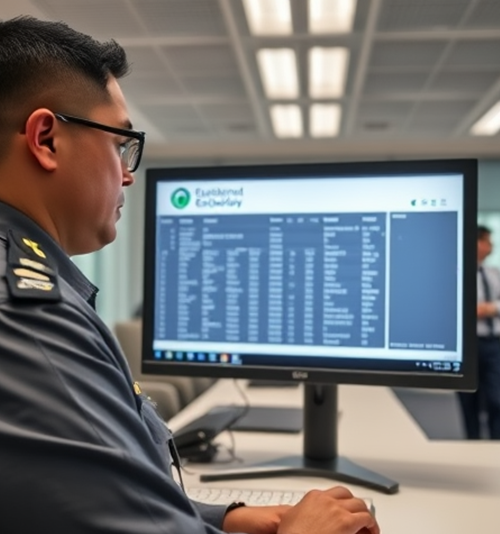
Government officers and civil servants in Malaysia often face immense pressure from long queues and unhappy citizens. The constant stress of managing overcrowded offices and dealing with frustrated visitors takes a toll on staff morale and productivity.
When a smart queue system is implemented, the burden on staff is significantly reduced. Officers no longer need to manually manage lines, answer repetitive questions about wait times, or deal with complaints about unfair treatment. Instead, they can focus on what they do best: serving citizens with professionalism and care.
A queue management system that automates the queuing process allows public sector staff to work more efficiently and with greater job satisfaction. When citizens arrive informed and prepared, interactions are smoother, faster, and more productive. This creates a positive feedback loop: happier staff deliver better service, which leads to happier citizens, which further boosts staff morale.
For Malaysian public sectors looking to modernise their workforce operations, investing in a smart queue system is one of the most impactful decisions they can make.
Inefficient queue management costs Malaysian public sectors more than just citizen frustration. It translates into real financial losses through extended operating hours, increased staffing requirements, and the need for additional infrastructure to manage overcrowding.
A smart queue system helps public sectors reduce these costs in several ways:
The financial benefits of implementing a smart queue system in Malaysian public sectors are substantial. When combined with the improvement in customer experience, the return on investment becomes clear and compelling.
A smart queue system does more than manage lines — it generates valuable data that Malaysian public sectors can use to improve governance and service delivery. Every queue interaction produces metrics that reveal patterns in citizen behaviour, peak demand periods, and service bottlenecks.

For Malaysian public sectors, data-driven decision-making is the future of governance. A smart queue system provides the foundation for this transformation, turning everyday queue interactions into actionable intelligence.
QueueBee is a leading queue management system provider in Malaysia, offering smart queue solutions tailored specifically for the unique needs of government departments and public sector organisations. With a proven track record of successful implementations across Malaysian public offices, QueueBee understands the challenges of serving millions of citizens efficiently.
By partnering with QueueBee, Malaysian public sectors can transform their citizen service experience from the ground up. A smart queue system is not just technology — it is a commitment to serving the people with efficiency, fairness, and respect.
Ready to modernise your government service delivery? Discover how QueueBee's smart queue system can help Malaysian public sectors reduce wait times, improve customer experience, and build citizen trust.
Contact us today for a personalised solution.